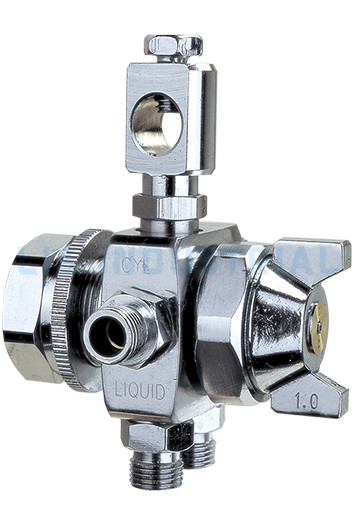
Tá ST6, mar réiteach cúram sláinte cuimsitheach a chomhtháthaíonn teicneolaíocht criptithe chun c...
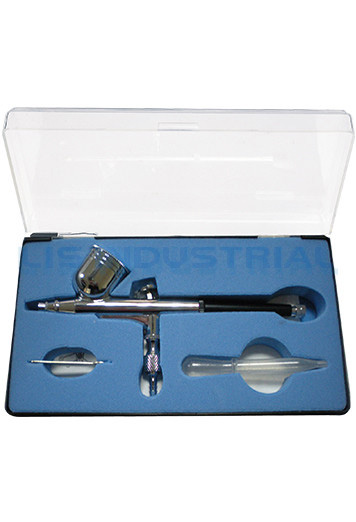
Sa phróiseas déantúsaíochta gluaisteán, is nasc ríthábhachtach é péinteáil an chomhlachta gluaist...
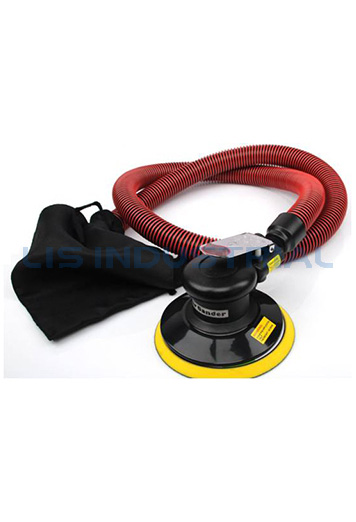
I réimse na déantúsaíochta earraí cistine nua-aimseartha, bhuaigh earraí cistine cruach dhosmálta...
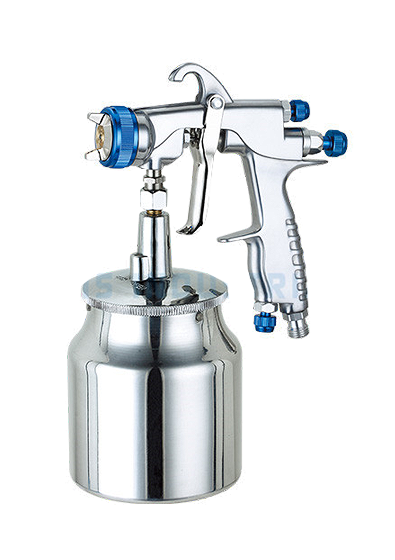
Le forbairt go mear ar thionscal déantúsaíochta na ngluaisteán, tá na ceanglais maidir le próisis...
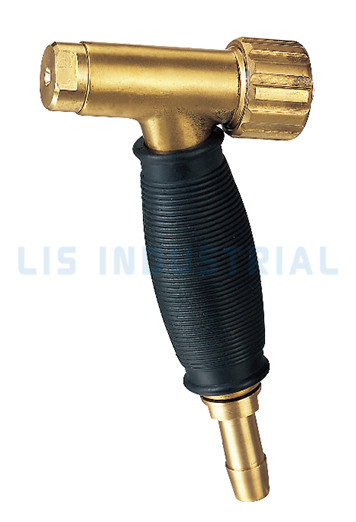
Sa tionscal peitriceimiceach an-speisialaithe agus éilitheach, tá baint dhíreach ag rogha na n-áb...
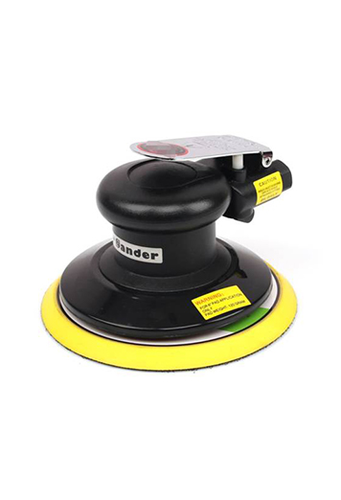
Croí-theicneolaíocht na Meaisín Polainnis leanann sé ag dul chun cinn, ag cur a bhfeidhm l...
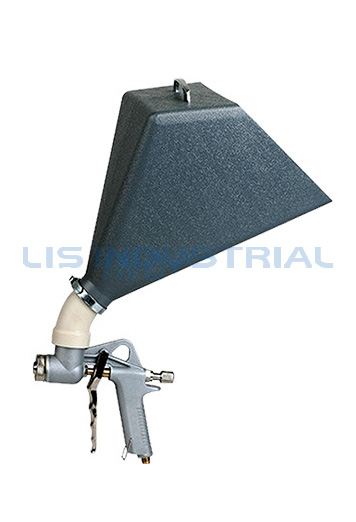
Sa tionscal tógála, cur i bhfeidhm na Gunna Sprae Uigeachta Péinte tá feabhas mór tagtha a...
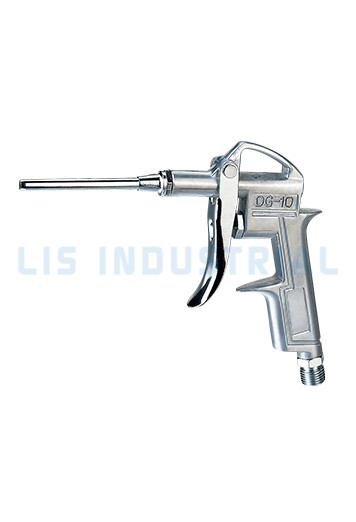
Úsáideann Gunna Buille Aeir go príomha scairdeanna aeir ardbhrú chun deannach, smionagar agus nea...
Your spray gun spits, the film sags, and the surface comes out with the telltale orange-peel texture. Most users blame the gun. In practice, the fault is usually setup: wrong air pressure, too much fluid, or a fan width that was never dialed in. Every air spray gun has three adjustments, and t...
The same gun, the same paint, the same painter: one cabinet door comes out glass-smooth, and the next one wears orange peel with a sag along the bottom edge. In practice, almost every disappointing spray finish traces back to four adjustable variables: paint viscosity, air pressure, spray dist...
A clean steel panel, a properly reduced coat of paint, and a brand new spray gun. By the numbers, that should be a flawless finish. Yet the first pass often comes out with a heavy stripe in the middle and dry, thin edges. The gun came straight from the factory with its fan, fluid, and air cont...
Fax: +86-574-88068788
Cuir: Crios Tionscail Hengxi, Yinzhou, Borough, Ningbo, an tSín, 315131

Cóipcheart © 2021 Ningbo Lis Industrial Co., Ltd. Logáil isteach Soláthraithe Gunnaí Sprae Paint

 Cuardach
